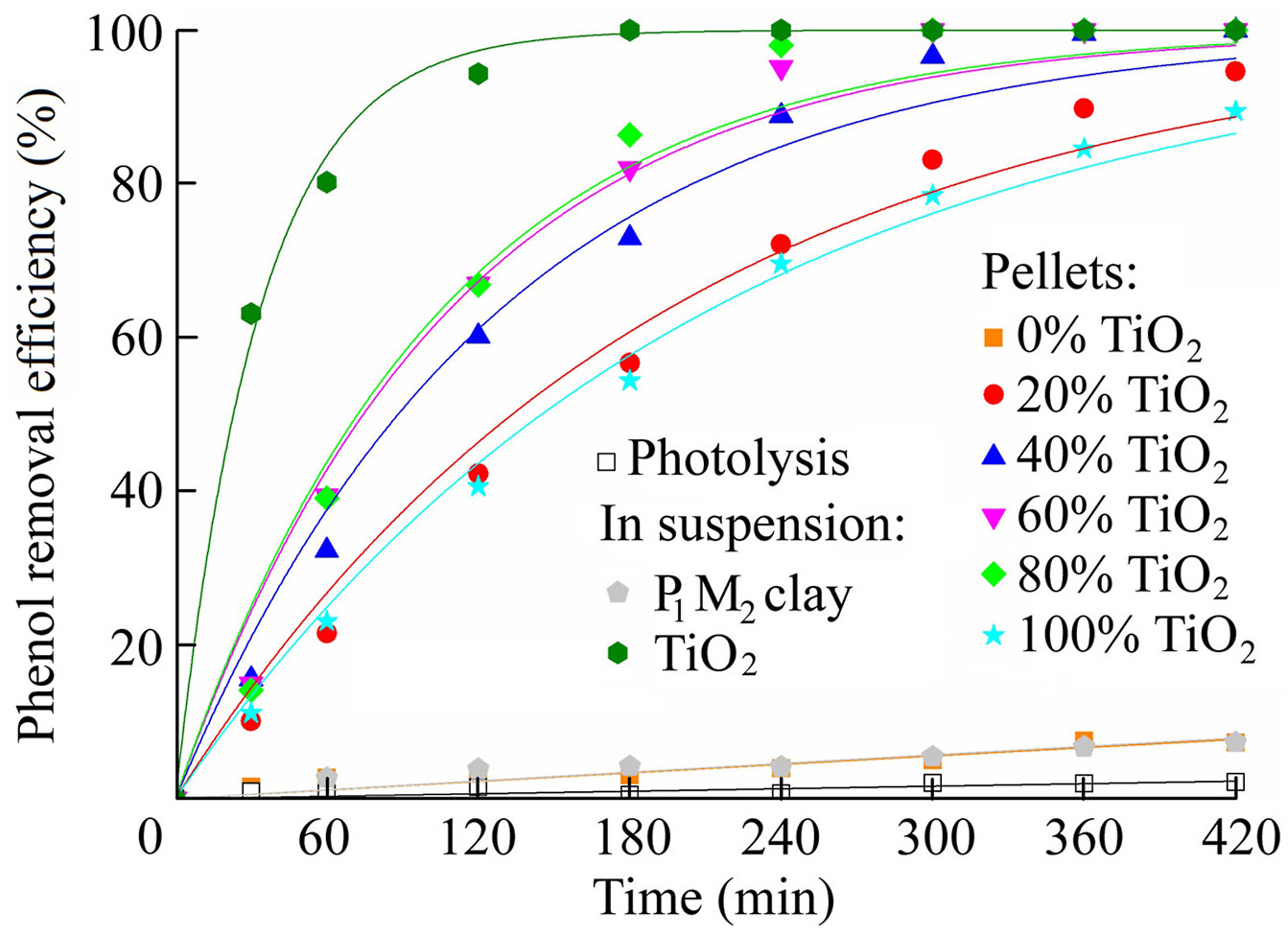
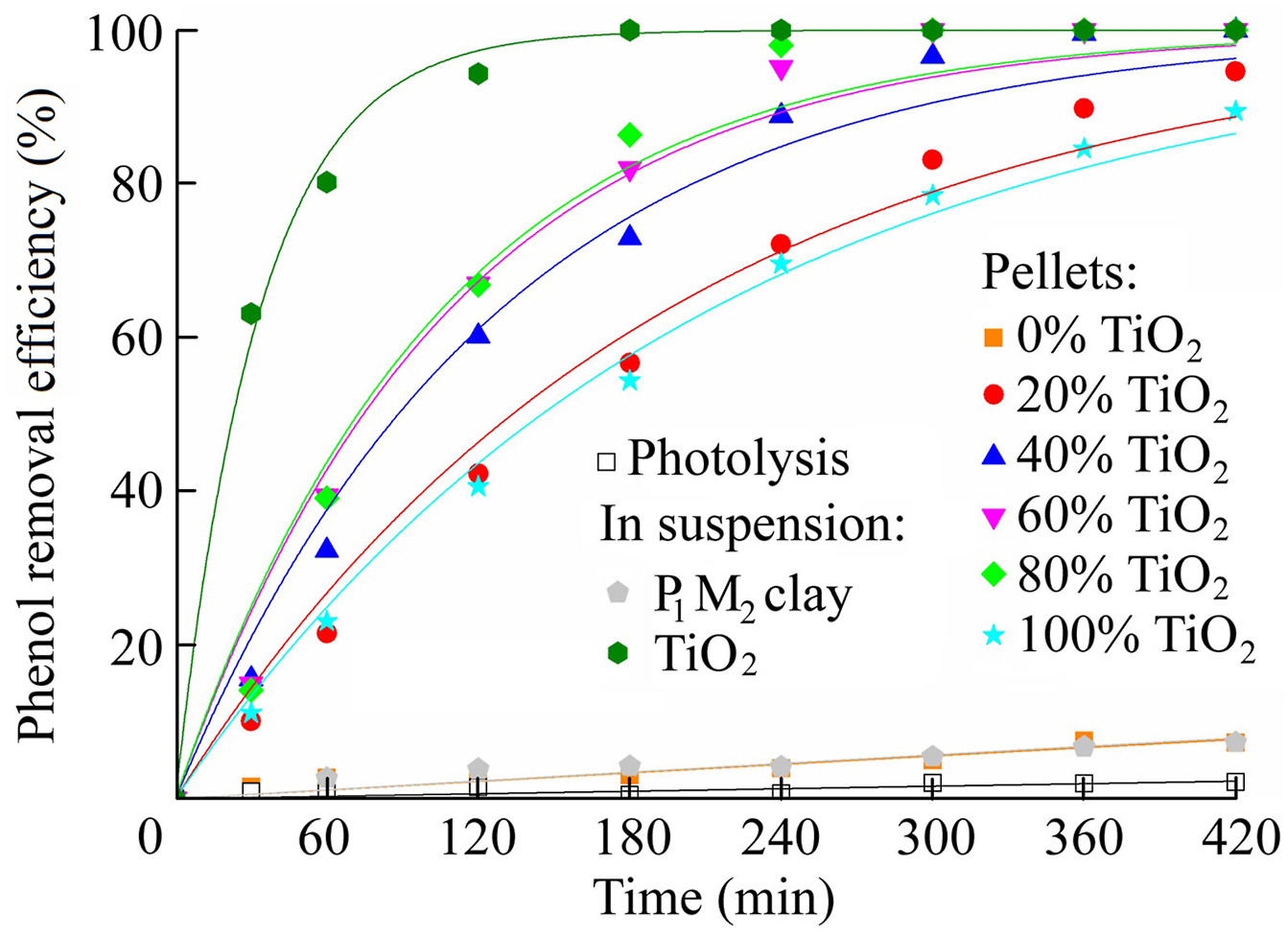
Abstract: The continuous release of persistent organic contaminants into aquatic environments is a major concern due to their resistance to conventional treatment methods. Among advanced oxidation technologies, solar photocatalysis is one of the most sustainable approaches for pollutant removal, although its large-scale implementation remains limited. A novel bulk photocatalytic composite was prepared for sunlight-driven degradation of organic pollutants in water. Natural clay and titanium dioxide were homogeneously mixed, extruded into 0.5-cm pellets, and calcined. Physicochemical characterisation of the material provided insight into its catalytic activity. Experiments with several representative persistent pollutants (phenol, methyl orange, terbumeton, and N-hexylpyridinium bromide) in different aqueous matrices (river water, sewage, and seawater) demonstrated its broad versatility. Together with its low cost and ease of production, this may enable wider application of heterogeneous photocatalysis in water and wastewater treatment. Kinetic studies under various composition ratios and operational conditions revealed optimal performance at a photocatalyst (80% titanium dioxide and 20% clay) load of 20 g/L in a solar batch photoreactor. The half-lives of 10-mg/L pollutant solutions in distilled water were approximately 72 min, 68 min, 27 min, and 48 min for phenol, methyl orange, terbumeton, and N-hexylpyridinium bromide, respectively. Phenol degradation was slower in river water, sewage, and seawater, with half-lives of approximately 81 min, 106 min, and 129 min, respectively. The photocatalyst exhibited strong activity under sunlight and, owing to its appropriate size and mechanical stability, allowed easy and efficient recovery and reuse, which are key factors for large-scale applications in water treatment systems. This photocatalytic composite is highly promising for upscaling solar photocatalytic water treatment as a cost-effective, green, efficient, easily recoverable, and reusable material.
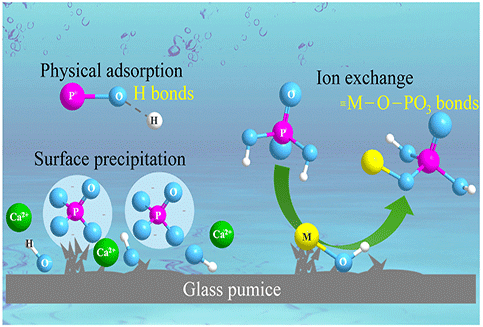
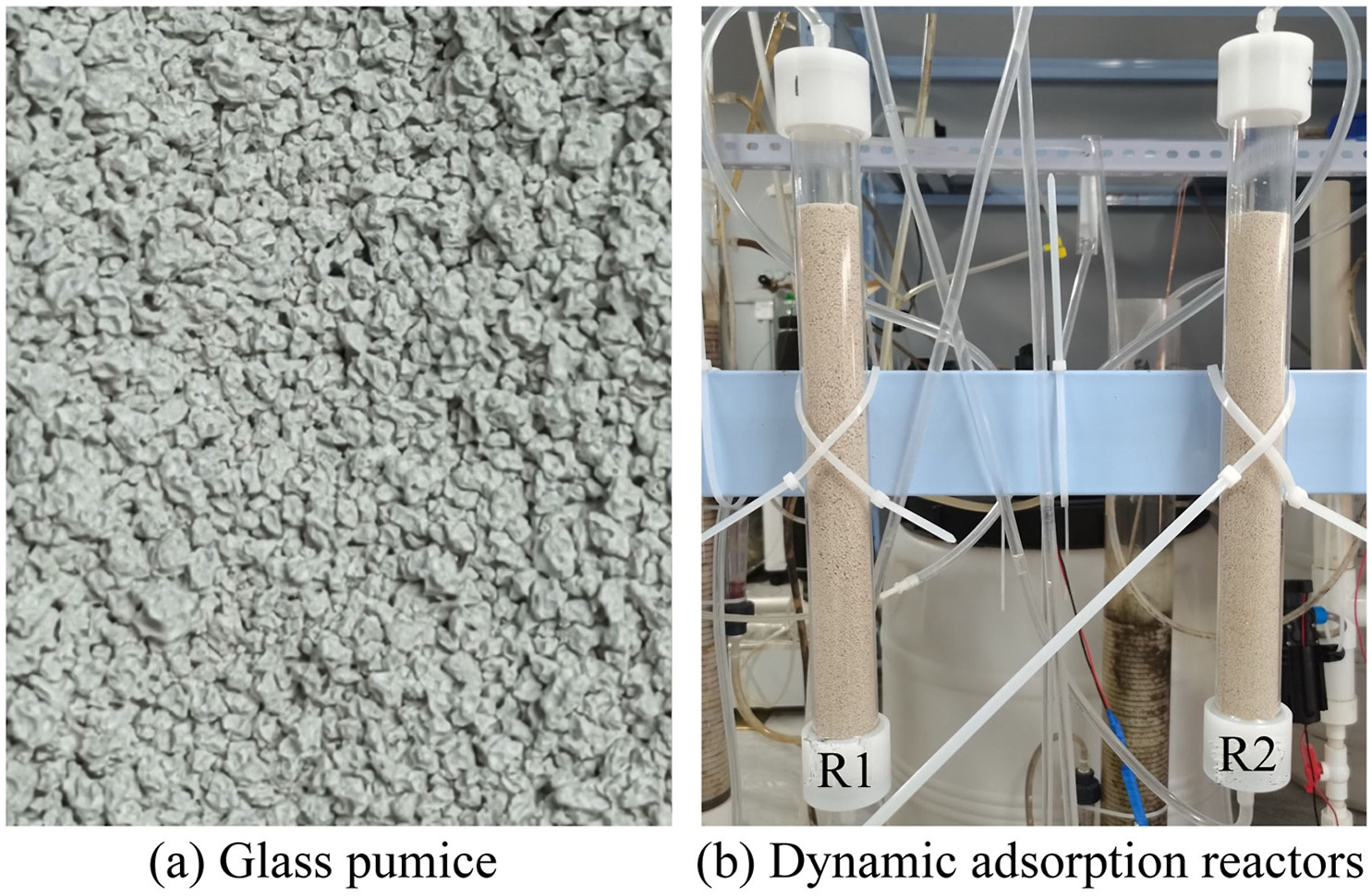
Abstract: Excessive phosphorus discharge into water bodies is a key driver of eutrophication, leading to severe ecological consequences such as oxygen depletion and ecosystem degradation. Consequently, developing efficient, low-cost, and stable methods for phosphorus removal is critical for maintaining water safety. This study investigated glass pumice, a sintered material derived from waste glass, as a novel adsorbent for phosphate removal from wastewater. Batch and dynamic adsorption experiments were conducted to evaluate its performance and reveal the underlying mechanisms. Phosphate adsorption followed pseudo-first-order kinetics and fit the Langmuir isotherm model, with a maximum theoretical adsorption capacity of 166.56 mg/g. Dynamic adsorption experiments revealed that glass pumice maintained consistent adsorption performance for 110 d under a high influent phosphorus concentration (8 mg/L), achieving a total adsorption capacity of 60.38 mg/g. Maintaining a hydraulic retention time (HRT) of at least 6.5 h ensured that the effluent total phosphorus concentration remained below 1 mg/L. Mechanistic analysis revealed that phosphorus is mainly adsorbed via surface calcium salt precipitation (calcium phosphate) and hydroxyl–phosphate exchange and further stabilized by hydrogen bonding. As an inexpensive and highly porous material, glass pumice aggregates exhibit strong potential for efficient and sustainable phosphorus removal, contributing to resource recovery and high-value reuse of waste glass.
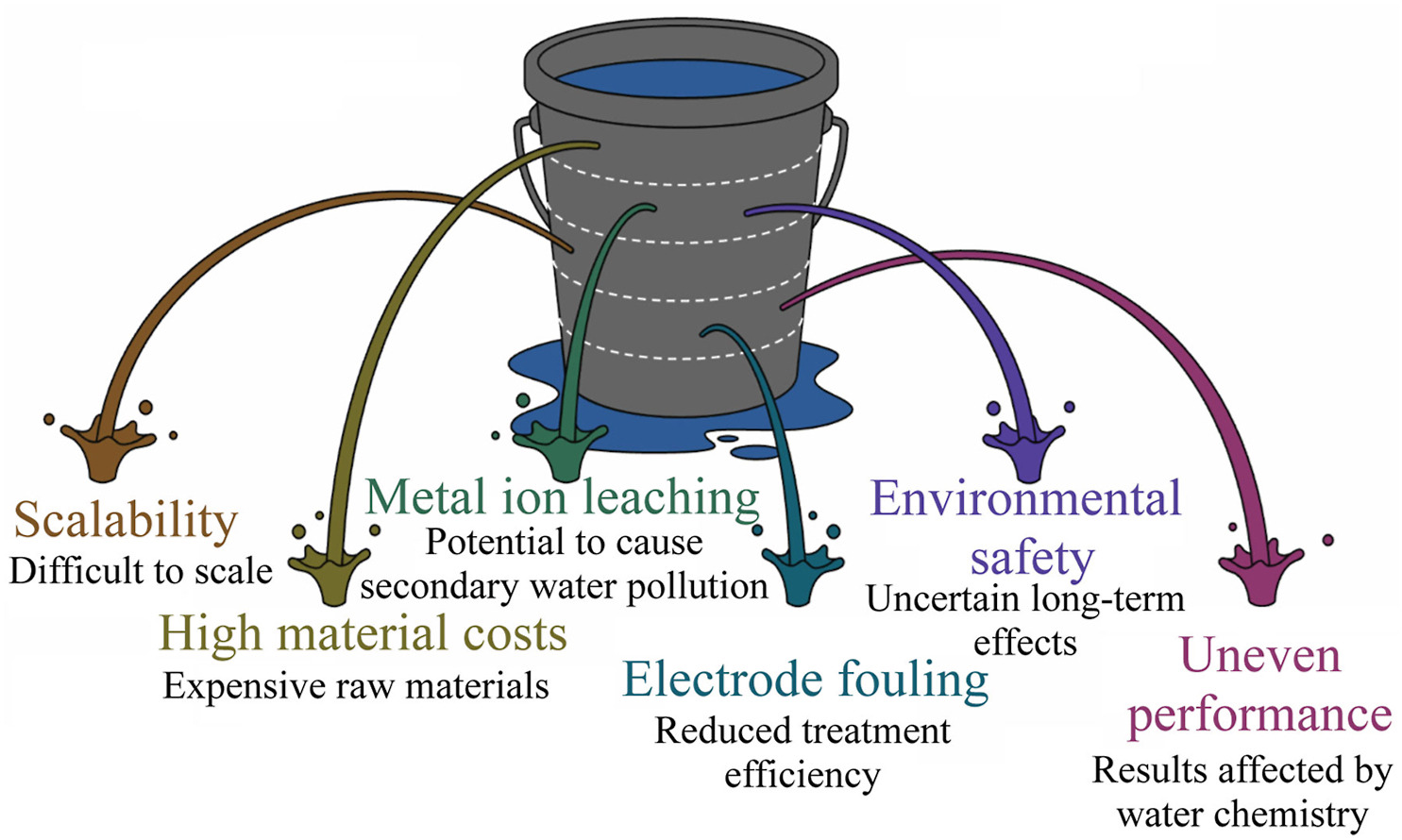
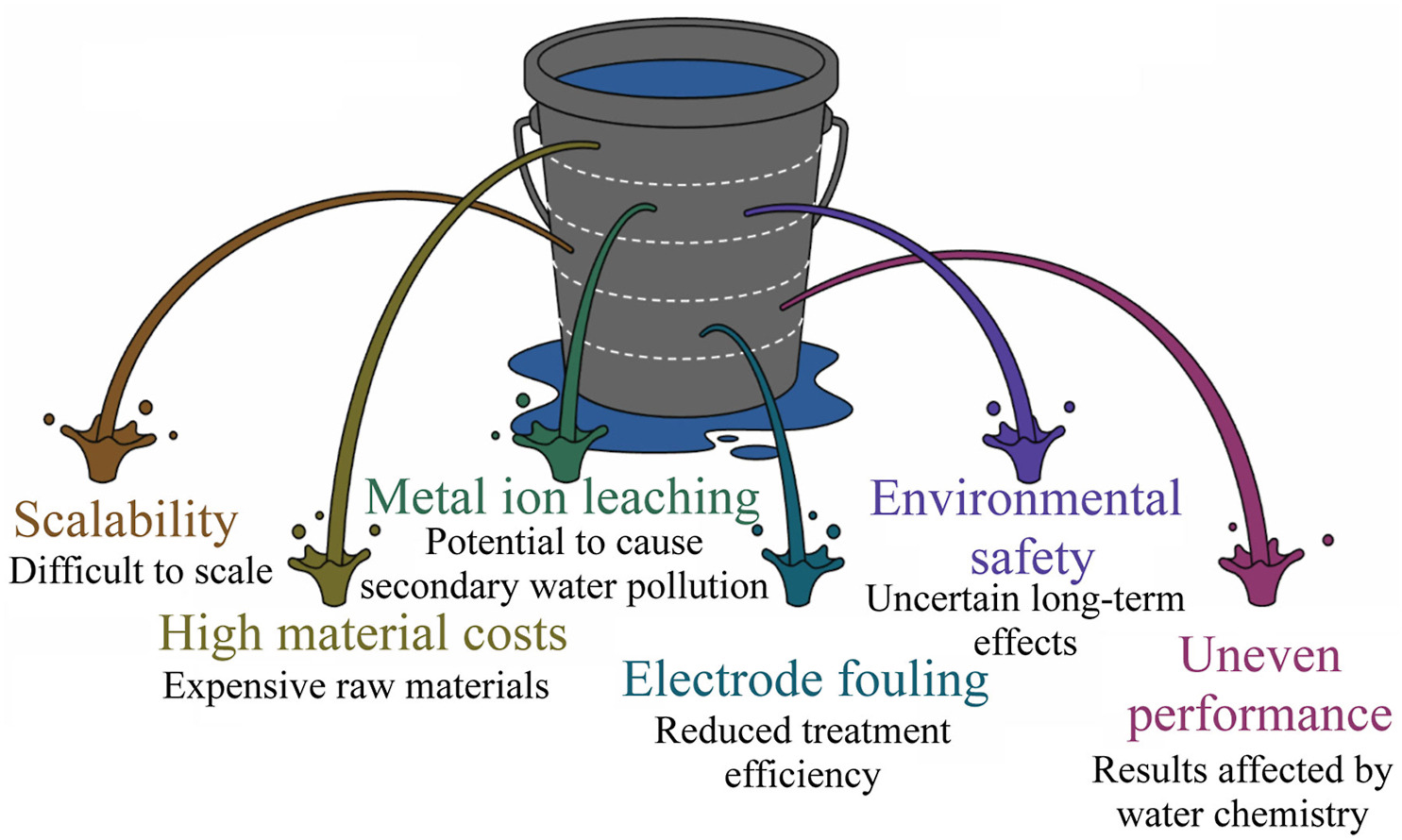
Abstract: Nanocomposites have garnered significant attention in wastewater treatment due to their unique physicochemical properties, such as high surface area and enhanced reactivity. This review outlines recent advances in the development of nanocomposites for environmental remediation, covering synthesis techniques, structural diversity, and practical applications. Commonly employed materials include layered double hydroxides (LDHs), carbon-based nanomaterials like graphene and carbon nanotubes, metal oxide hybrids (e.g., ZnO, Fe3O4, and TiO2), polymer-functionalized frameworks, and emerging platforms such as metal–organic frameworks (MOFs) and MXenes. Synthesis methods such as co-precipitation and hydrothermal processing play a critical role in determining particle dispersion and morphology. In particular, LDH-based nanocomposites exhibit strong redox ability and ion-exchange characteristics, making them effective for heavy metal detection and the degradation of organic pollutants through adsorption, photocatalytic, and electrochemical pathways. Despite these advantages, challenges including material leaching, regeneration efficiency, scalability, and long-term environmental safety persist. Nanocomposites present a versatile platform with considerable potential for efficient, scalable, and sustainable wastewater treatment. By addressing current limitations such as emerging contaminants like pharmaceutical residues, per- and polyfluoroalkyl substances (PFAS), and microplastics, nanocomposites can further enhance water purification and environmental cleanup, increasing their practical applicability. Future research should prioritize green synthesis methods, pilot-scale validation, and regulatory assessments to bridge the gap between laboratory studies and real-world wastewater treatment applications.
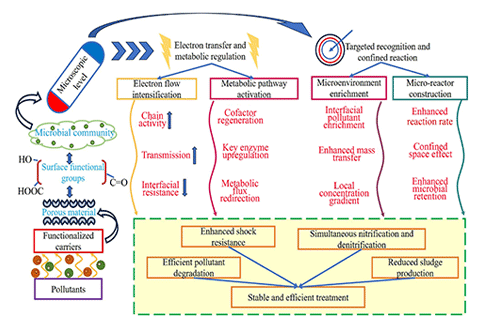
Abstract: Biofilm technology, recognized as an efficient and stable approach for wastewater treatment, fundamentally relies on suitable carriers to support microbial attachment and growth. The characteristics of these carriers profoundly influence the morphological structure, metabolic activity, and overall pollutant degradation efficiency of biofilms. This article systematically reviews recent research progress on biofilm carriers and proposes a five-category classification system comprising inorganic carriers, organic inert and reactive carriers, fiber-based carriers, naturally degradable carriers, and novel functionalized carriers. By analyzing the performance and application scenarios of various carrier types, their advantages in terms of economic viability and environmental friendliness are demonstrated. Furthermore, strategies for surface modification and composite material synthesis to further enhance biofilm performance are discussed. This review aims to provide theoretical guidance for the development of efficient, energy-saving, and sustainable wastewater treatment processes and to offer practical references for technology selection and engineering applications in relevant enterprises.
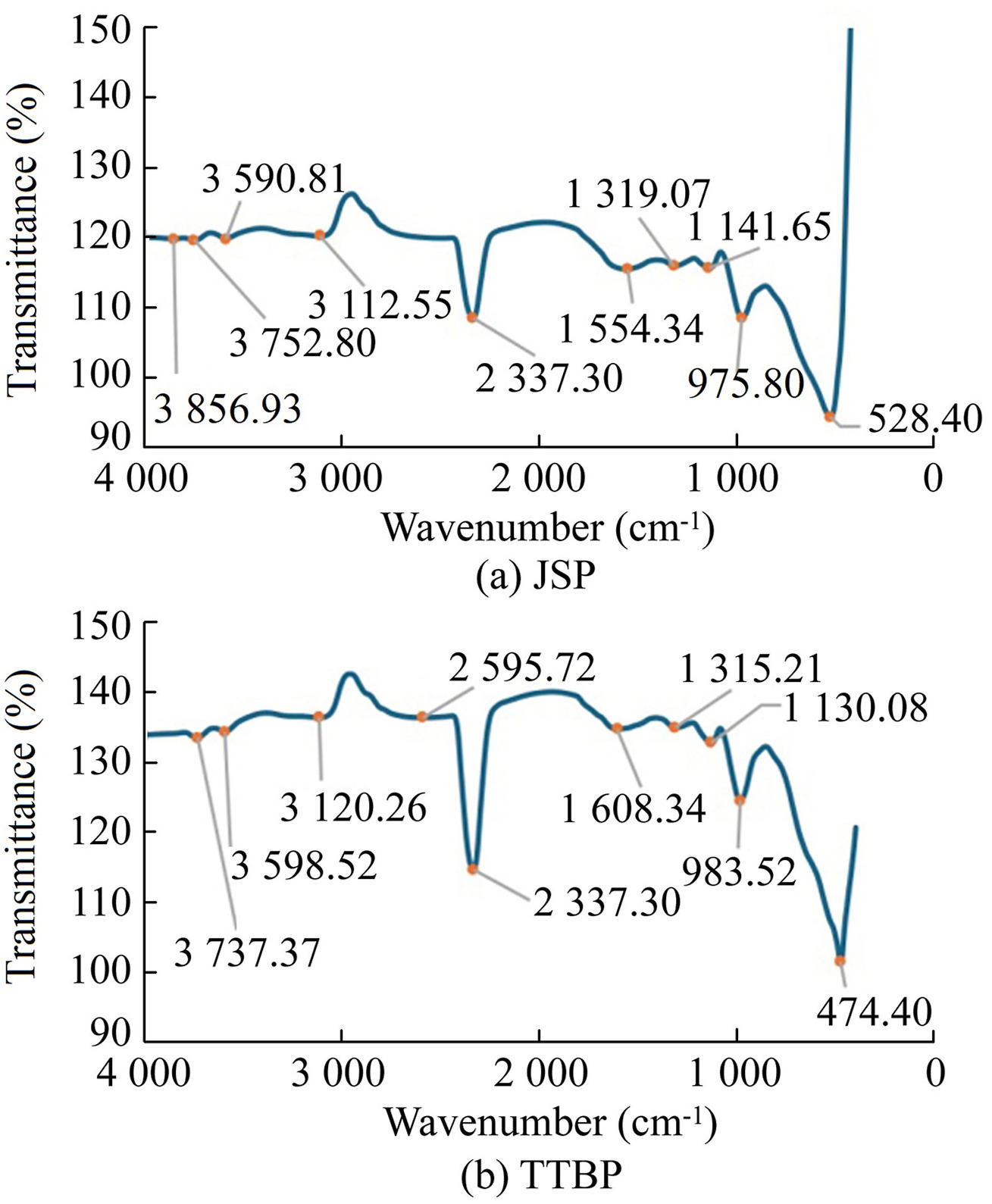
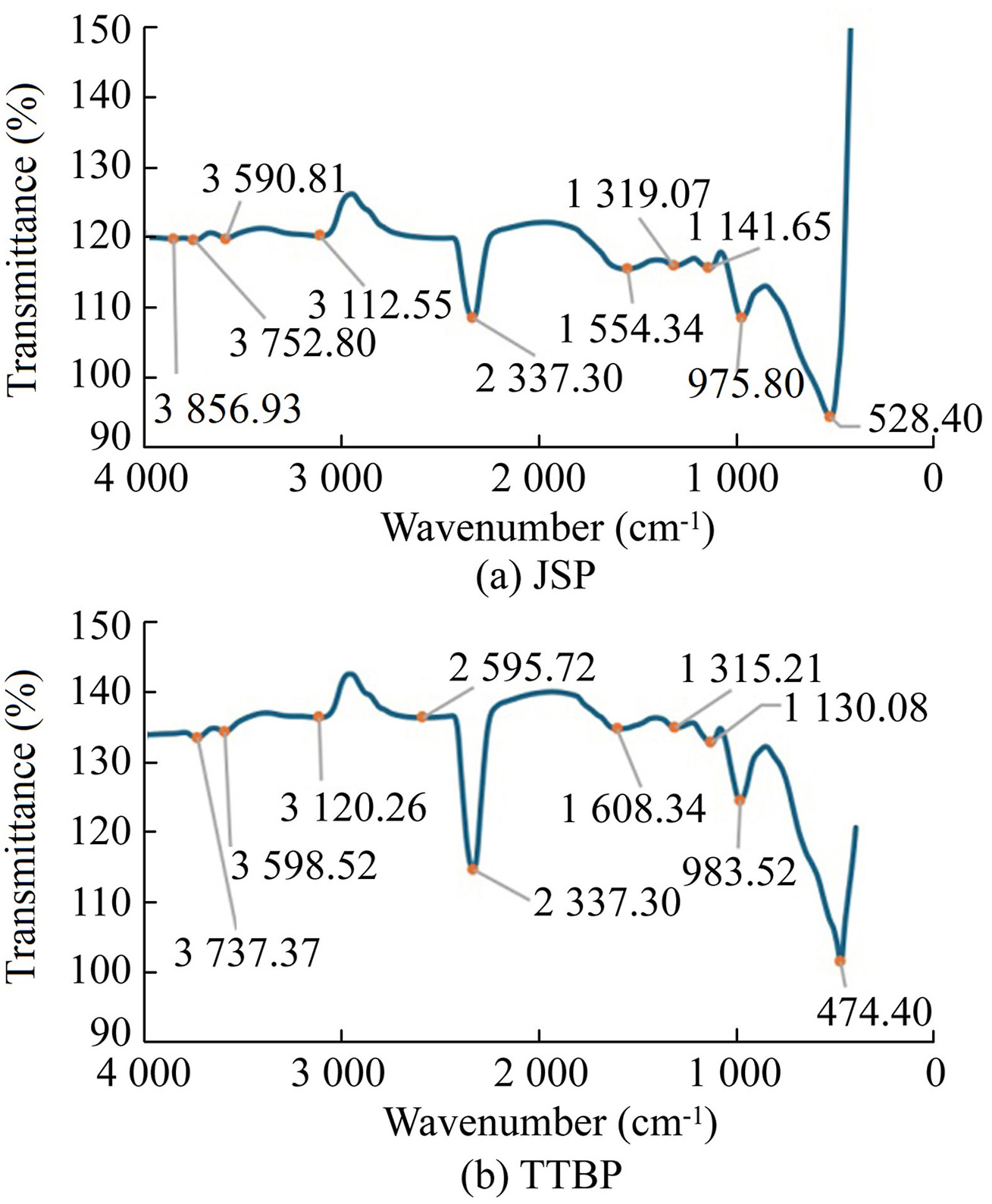
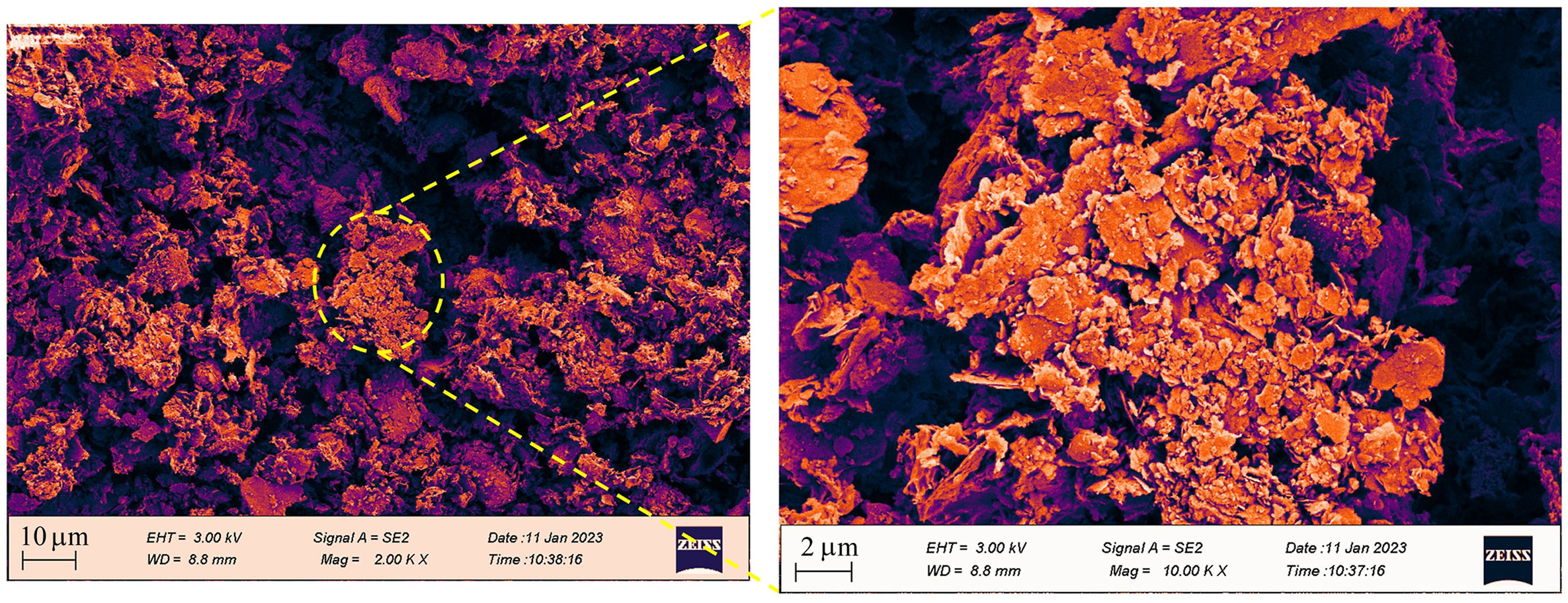
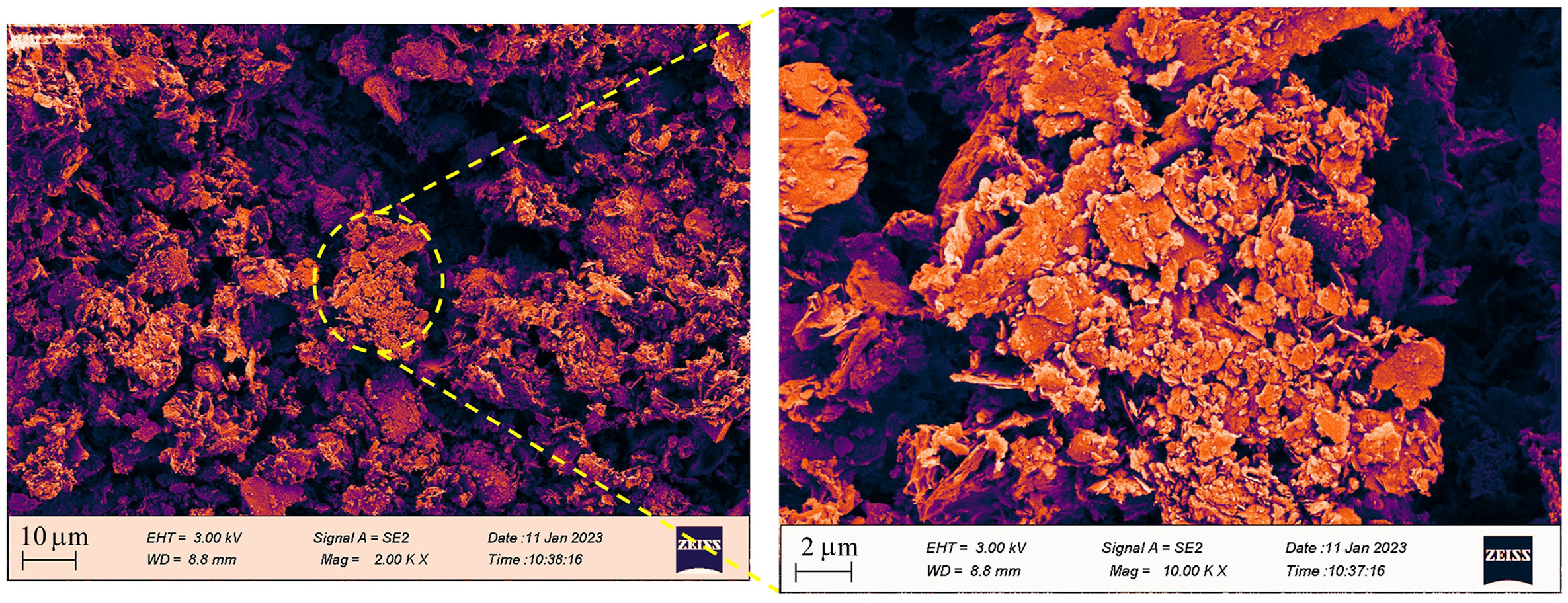
Abstract: Methylene blue (MB) is a widely used industrial dye that poses significant environmental risks when discharged into aquatic systems. This study evaluated the performance of two unmodified agricultural byproducts (jackfruit seed powder (JSP) and tamarind tree bark powder (TTBP)) as low-cost and indigenous adsorbents for removing MB from synthetic aqueous solutions. The adsorbents were applied in their raw forms without chemical modification, and their physicochemical properties were characterized using scanning electron microscopy (SEM), Fourier transform infrared (FTIR) spectroscopy, and X-ray diffraction (XRD) analyses. Batch adsorption experiments were conducted to investigate key operational parameters, adsorption behavior, equilibrium characteristics, and kinetics. Both adsorbents demonstrated rapid adsorption, with a substantial fraction of MB uptake occurring within the first 5 min and equilibrium reached within 30 min. JSP achieved a maximum removal efficiency of 85%, while TTBP showed a higher removal efficiency exceeding 93% under optimal conditions. The equilibrium data were well described by the Langmuir and Freundlich isotherm models, yielding maximum monolayer adsorption capacities of 108 mg/g for JSP and 125 mg/g for TTBP. Kinetic analysis indicated that the adsorption process followed the pseudo-second-order kinetic model. Overall, the results demonstrate that these readily available and chemically unprocessed biomaterials may serve as cost-effective alternatives to conventional adsorbents for dye removal.
Abstract: Manganese contamination in mining wastewater presents serious environmental and health risks. Developing efficient removal methods is essential to the mitigation of these impacts and water resources protection. This study investigated a fixed-bed column combined with reactive transport modeling to evaluate the removal of manganese from acidic wastewater using an activated carbon-functionalized fly ash-based geopolymer. Given the environmental risks associated with manganese in mining effluents, the effects of key parameters, including influent manganese concentration (300–700 mg/L), solution pH (1–3), flow rate (0.5–2 mL/min), column bed depth (4–12 cm), and column diameter (2.5–7.6 cm), were systematically evaluated in terms of adsorption performance. The results demonstrated that higher influent manganese concentrations accelerated adsorption kinetics but led to earlier column saturation, reduced breakthrough and exhaustion times, and an expanded mass transfer zone (MTZ). Increasing the solution pH enhanced the manganese removal efficiency, reaching 67.26% at a pH value of 3. However, a pH value of 2 was selected as a representative condition for typical mining wastewater. Lower flow rates improved the residence time and adsorption efficiency, while greater column bed depths extended column operation, yielding breakthrough and exhaustion times up to 3 420 min and 4 230 min, respectively. Column diameter exhibited the most pronounced influence on performance. A diameter of 7.6 cm achieved a maximum manganese removal efficiency of 99.26%, an adsorption capacity of 16.16 mg/g, and a treated effluent volume of 21.25 L, while simultaneously minimizing the MTZ. Breakthrough behavior was accurately described by the Thomas, Adams–Bohart, Yoon–Nelson, and bed depth service time models, all of which showed strong correlations. Furthermore, the multicomponent reactive transport modeling in variably saturated porous media (MIN3P) reactive transport code effectively simulated the interactions between manganese and the geopolymer. This study highlights the potential of the modified geopolymer as a sustainable adsorbent for manganese removal and environmental remediation in mining-impacted areas.
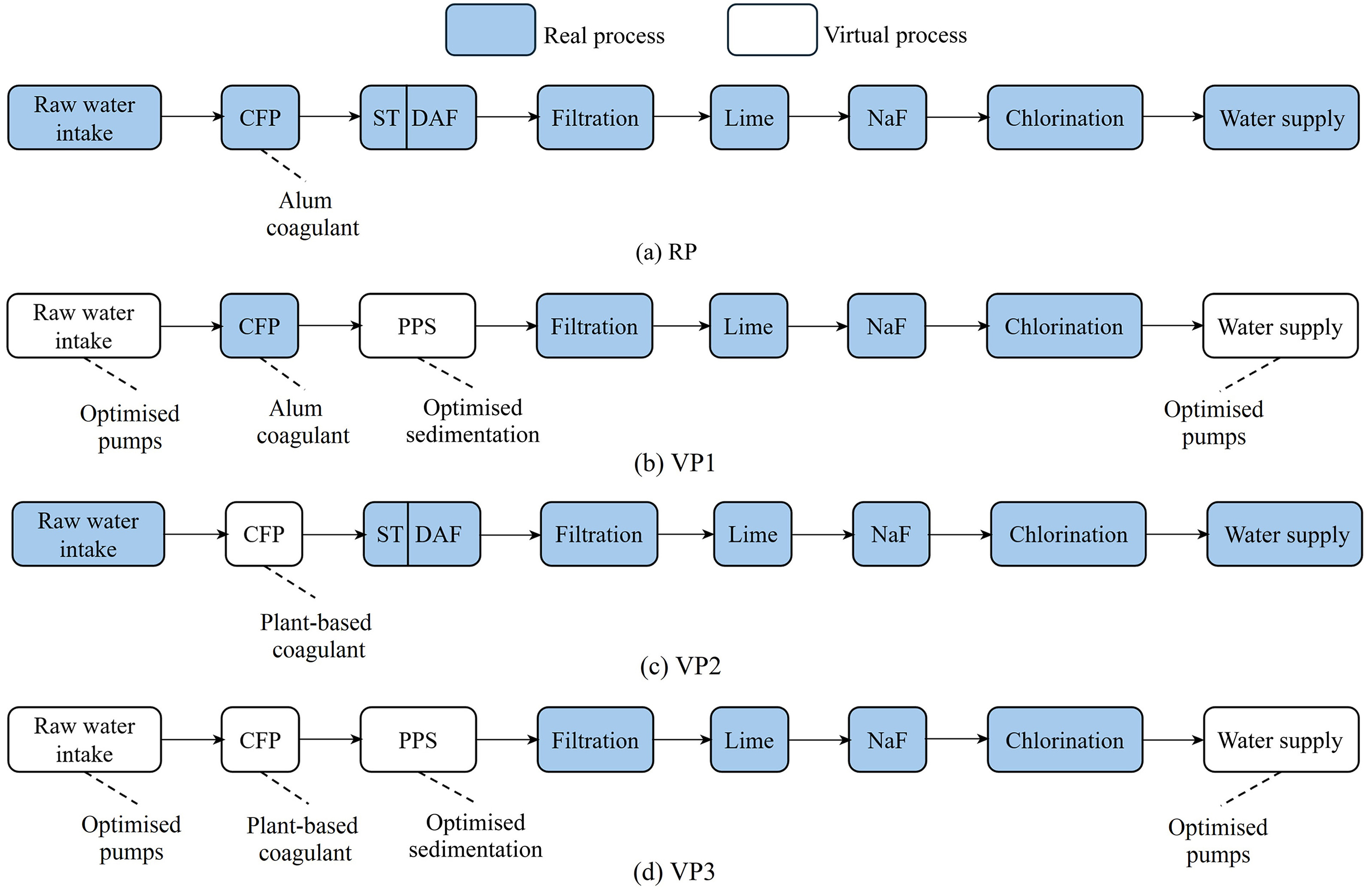
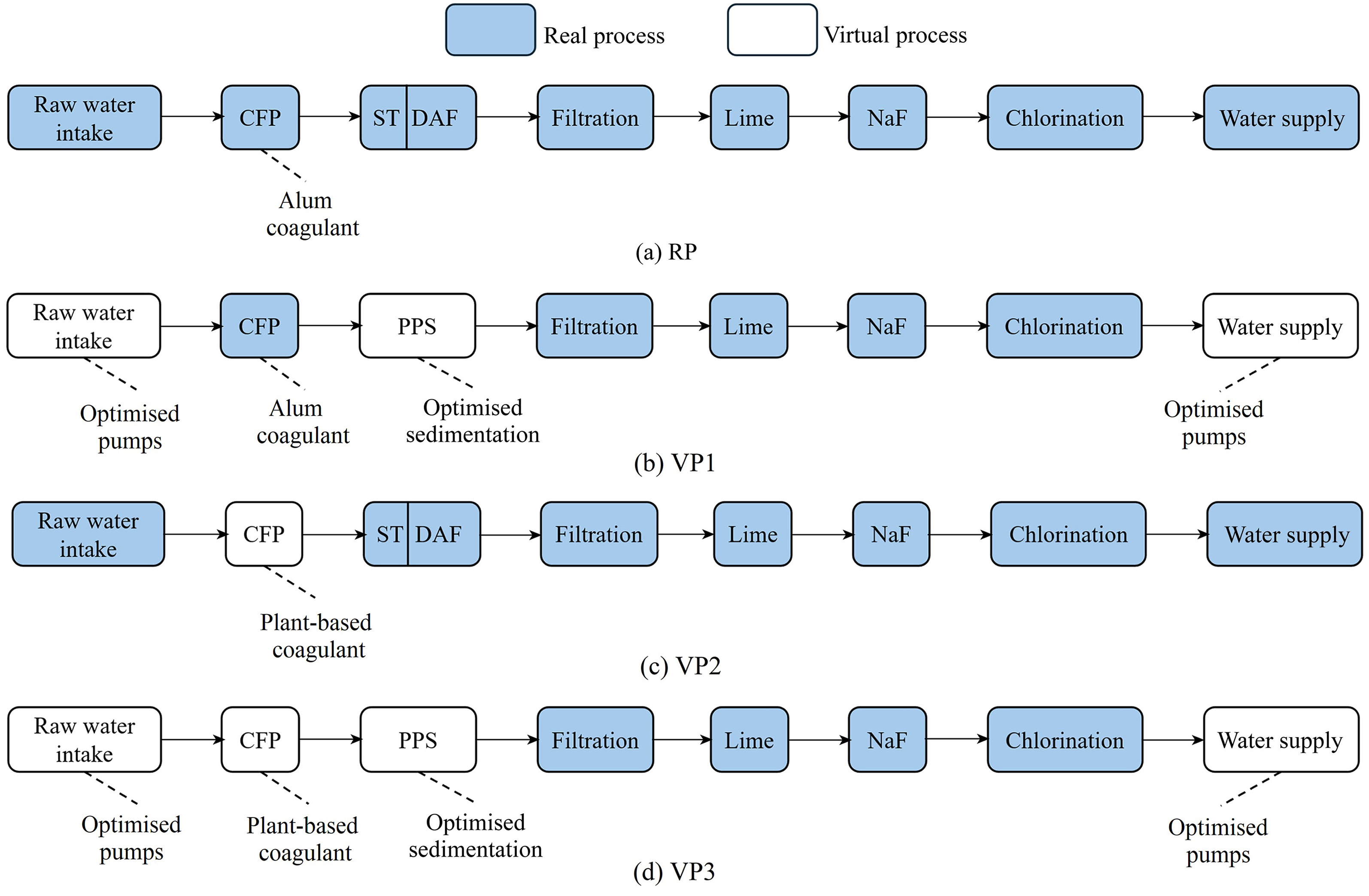
Abstract: Conventional water treatment plants depend on aging pumps, energy-intensive equipment, non-renewable energy sources, and chemical coagulants, significantly contributing to environmental degradation and climate change. This study conducted a comparative life cycle assessment (LCA) of four conventional water treatment plant scenarios: one real plant and three virtual plant models. The first virtual plant incorporated energy consumption optimisation, the second substituted only the coagulant, and the third integrated both energy optimisation and coagulant substitution. The real plant, with a treatment capacity of 3.15 m3/s, served as the baseline. Using the openLCA 2.3.0 and the Centrum voor Milieuwetenschappen Leiden (CML) v4.8 method, environmental impacts were assessed for treating a cubic metre of water. The results showed that virtual plant 3 significantly reduced environmental impacts by up to 85.49% compared to the real plant in the impact category of metal/mineral resources. The average carbon footprint for treating 1 m3 of water decreased from 0.492 kg of CO2 equivalent (CO2-eq) for the real plant to 0.237 kg of CO2-eq for virtual plant 3, representing a 51.83% reduction. Sensitivity analysis confirmed the robustness of the assumptions. These findings highlight the potential for sustainable practices in water treatment, aligning with the United Nations Sustainable Development Goals (SDGs) 6 (Clean Water and Sanitation), 12 (Responsible Consumption and Production), and 13 (Climate Action).
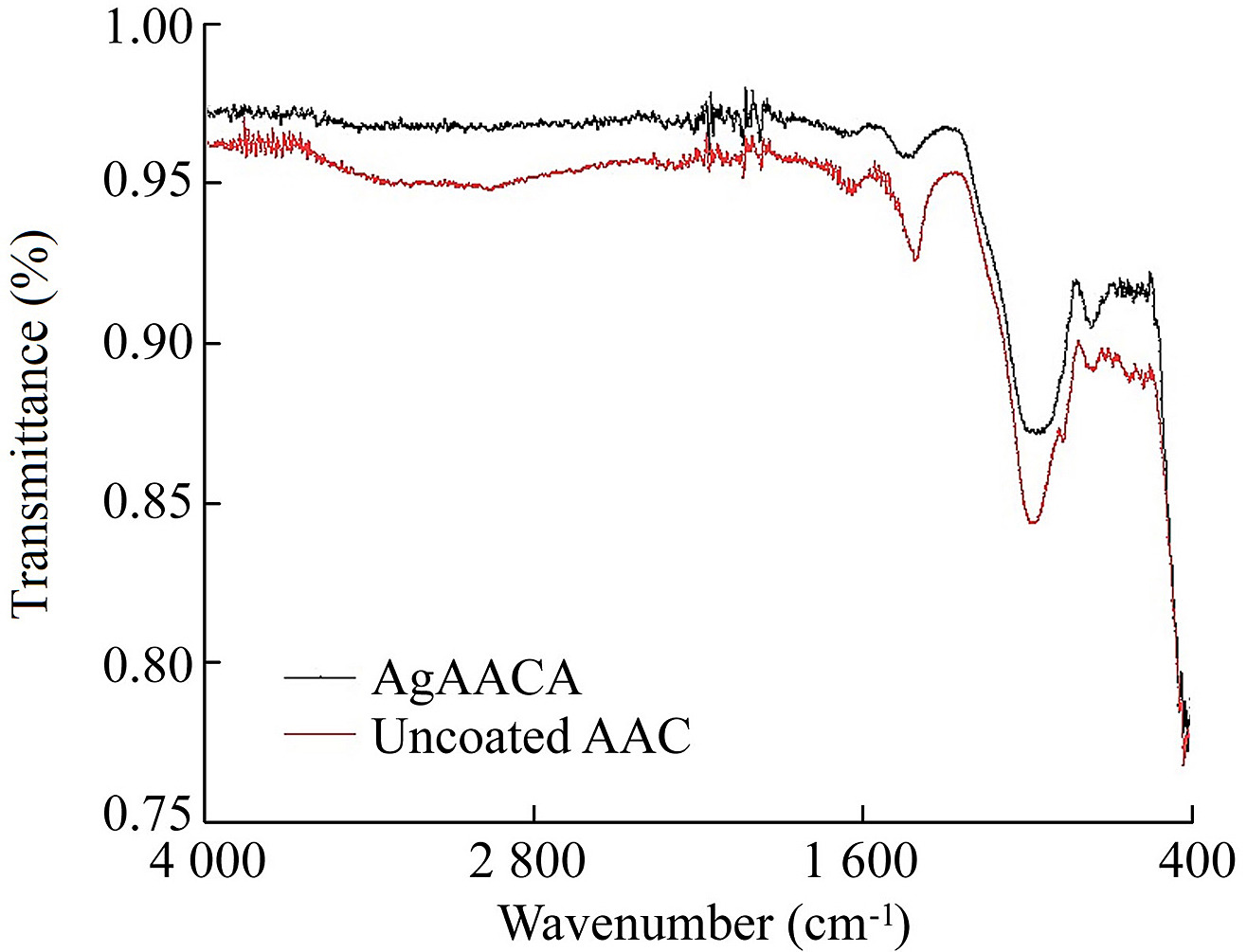
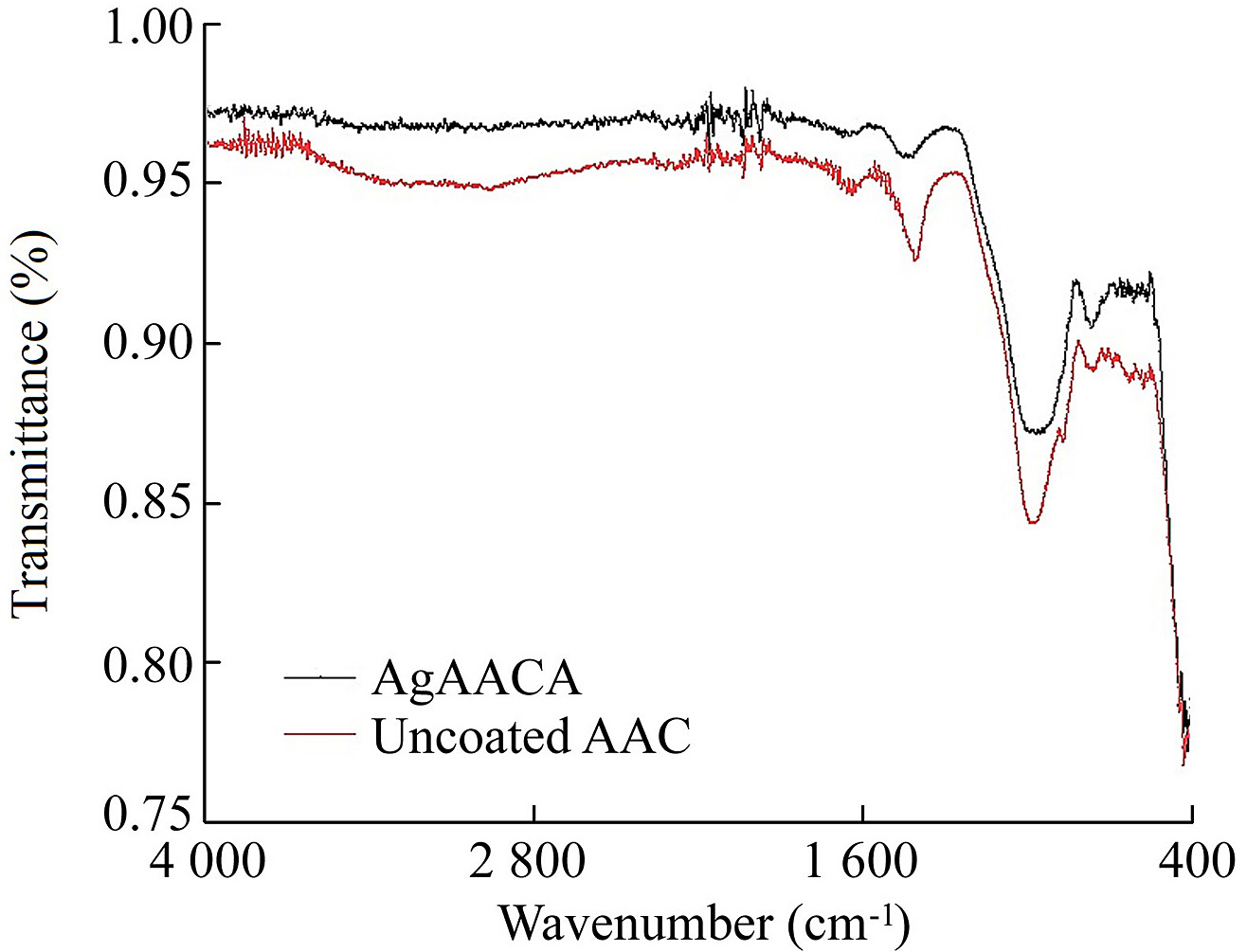
Abstract: Fluoride contamination in drinking water is a major public health concern, common within deprived communities where groundwater supplies routinely exceed the limit of 1.5 mg/L recommended by the World Health Organization. Long-term exposure to high fluoride concentrations is linked to dental and skeletal fluorosis, neurological impacts, and other chronic health disorders, making the development of effective low-cost water treatment materials a necessity. This study investigated a novel silver-coated alkali-activated ceramic adsorbent (AgAACA) for fluoride removal from water. AgAACA exhibited favorable adsorption properties, including a high water-holding capacity (3.69 g/g). Fourier transform infrared spectroscopy (FTIR) and scanning electron microscopy–energy dispersive X-ray spectroscopy (SEM–EDX) analyses confirmed the aluminosilicate ceramic structure and silver surface modification. In batch adsorption experiments, AgAACA demonstrated rapid and effective fluoride uptake, achieving an equilibrium removal rate of 89.95% and a capacity of 22.49 mg/g under optimal conditions (pH of 8 and 298 K). Kinetic studies indicated that the adsorption process is surface-controlled and was best described by the pseudo-second-order kinetic model. The Elovich model (with a determination coefficient of 0.995) further suggested the presence of heterogeneous binding sites. Equilibrium data aligned most closely with the Freundlich isotherm, while the Langmuir model estimated a maximum monolayer capacity of 66.65 mg/g. Thermodynamic parameters (with enthalpy of −53.83 kJ/mol, entropy of −0.176 kJ/(mol·K), and negative Gibbs free energy values at low temperatures) indicated that the adsorption process is exothermic and spontaneous, dominated by chemisorption at Ag-functionalized sites.
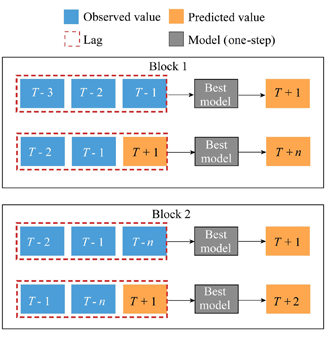
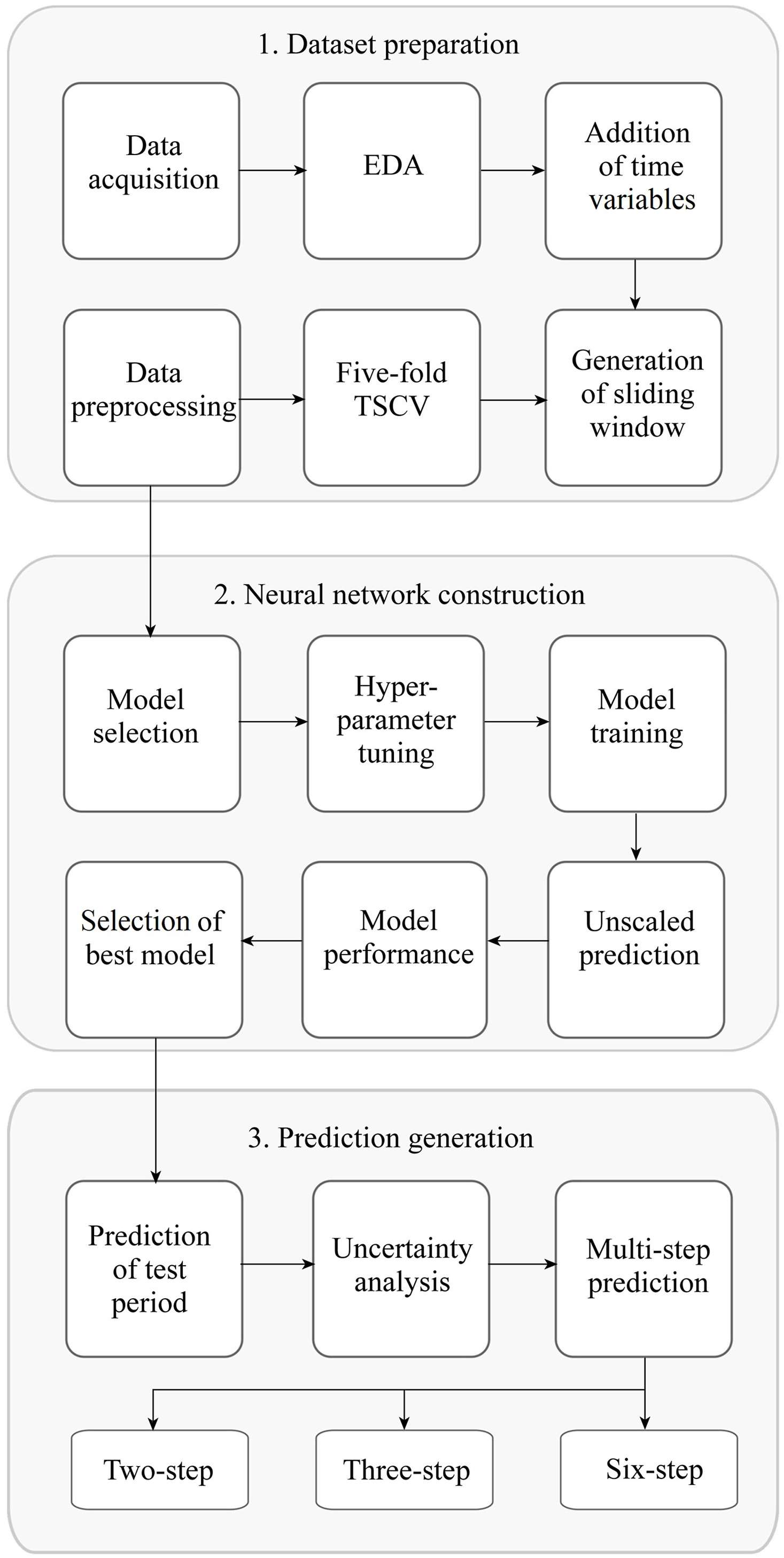
Abstract: Accurate streamflow forecasting is crucial for effective water resources management, particularly in semi-arid regions increasingly impacted by climate change. This study evaluated the performance of deep learning models for streamflow forecasting in two catchments in eastern Spain. The models were trained on historical data using a one-step-ahead forecasting approach and evaluated through temporal cross-validation. A recursive multi-step forecasting strategy was subsequently used to assess predictive performance across different forecasting horizons. The long short-term memory (LSTM) models generally outperformed the multilayer perceptron (MLP) models due to their ability to capture temporal dependencies, although they exhibited high sensitivity to the length of training data and model calibration. The MLP models performed better with simple preprocessing, whereas the LSTM models benefited from combining temporal features with deseasonalization techniques. The optimal configuration for each catchment consistently delivered robust performance and reasonable predictions across various forecasting horizons. This study highlights the potential of neural network models for streamflow forecasting and provides practical guidance for implementing deep learning models in semi-arid basins, thereby contributing to improved drought risk assessment and water resources management.
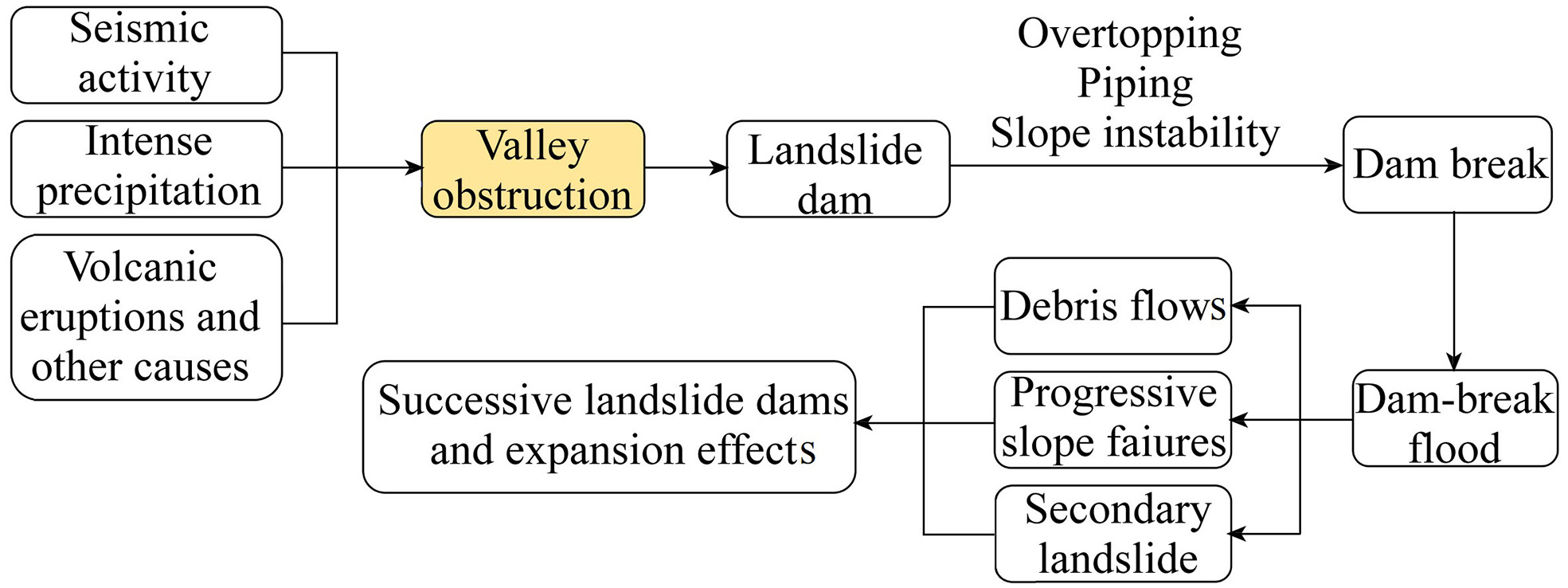
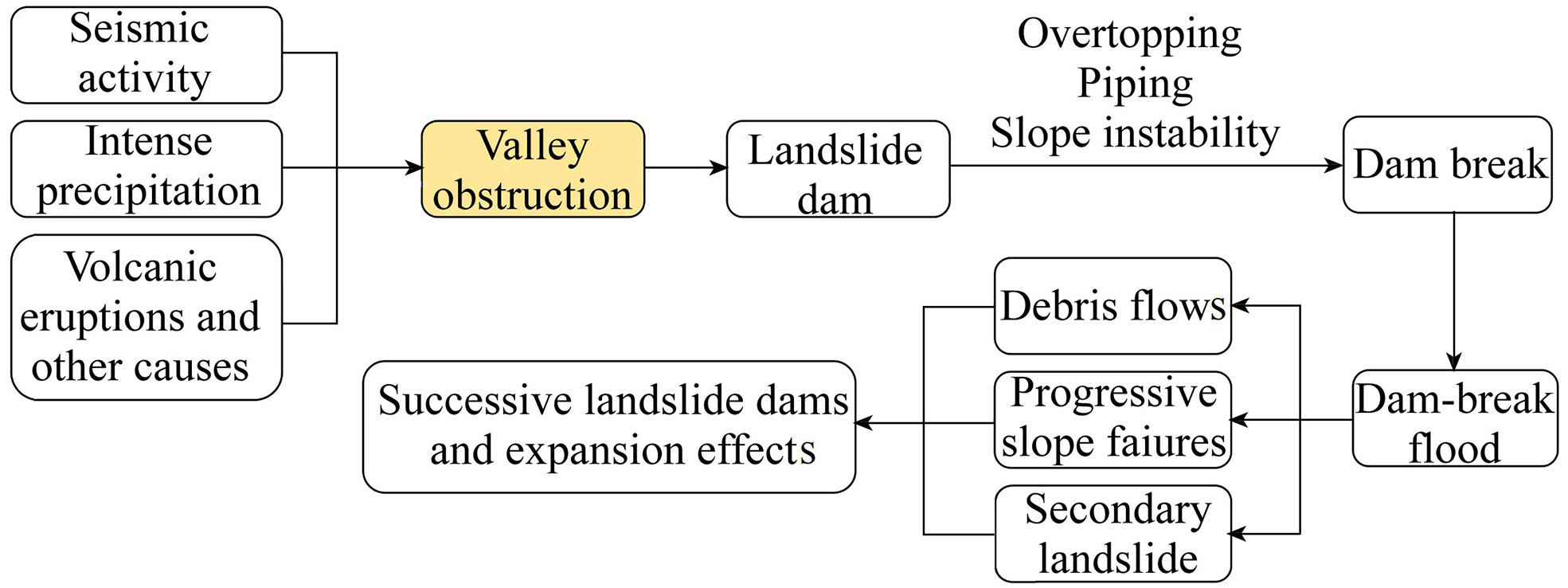
Abstract: Landslide dams constitute significant geological hazards, accompanied by challenges such as limited field data, urgent response requirements, and difficult mitigation conditions. This review systematically examines the topographic, hydrological, and geotechnical factors influencing dam formation and stability, highlighting the critical roles of material composition and internal structure in breach development. Existing methodologies for modeling dam-break scenarios, including statistical, parametric, simplified physically-based, and refined physically-based models, are critically evaluated, revealing persistent challenges such as parameter uncertainty, scale effects in physical experiments, and scarcity of field validation data. In addition, both engineering and non-engineering strategies for emergency response are reviewed. Key research gaps include an insufficient understanding of multi-phase interactions during dam failure, the potential for engineering interventions to alter failure modes (e.g., from overtopping to piping), the need for an improved dynamic risk assessment framework, and the integration of real-time data assimilation technologies. Finally, this review proposes future directions, including enhanced multi-source monitoring, machine learning-aided parameter inversion, uncertainty quantification and probabilistic forecasting, and improved dam-break models, to support effective decision-making in emergency scenarios.
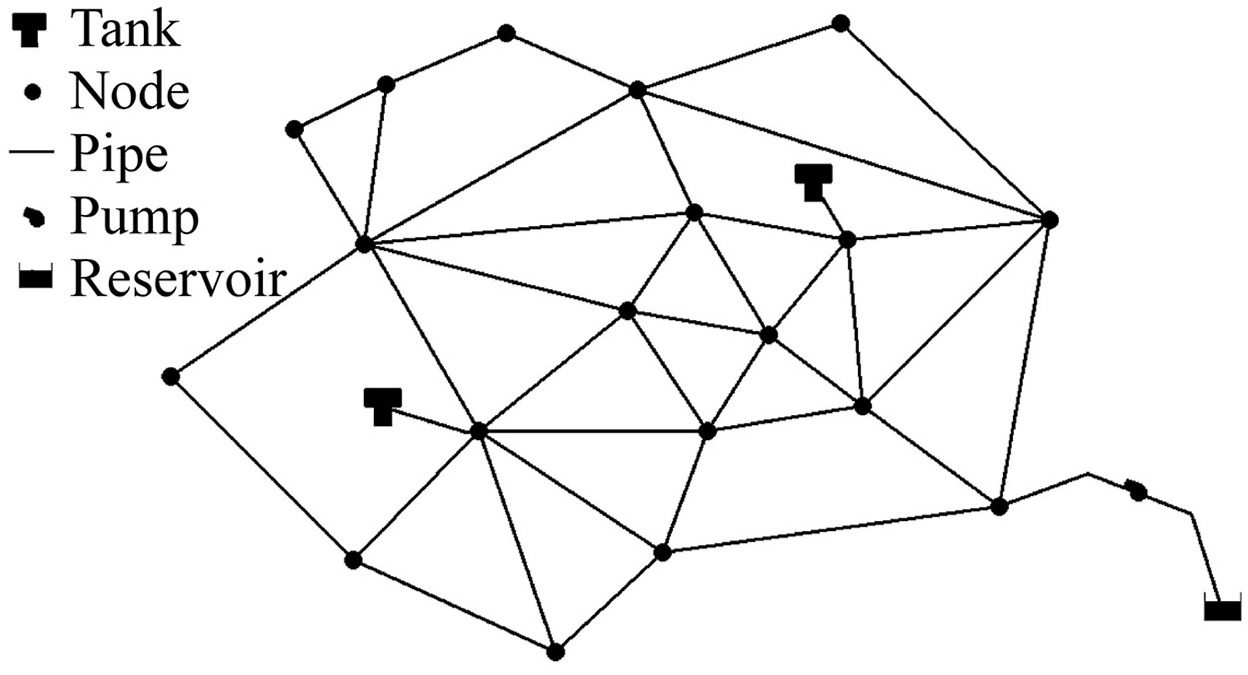
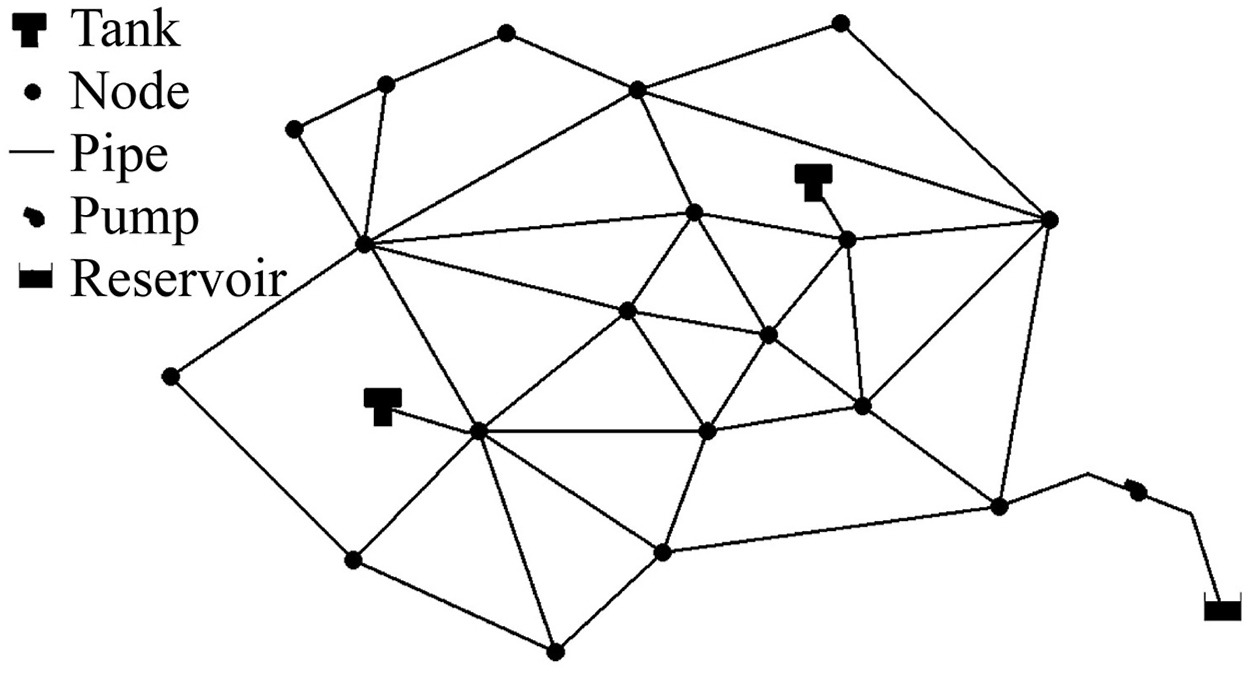
Abstract: Pump operation in water distribution networks (WDNs) represents a major portion of energy consumption in water supply systems, rendering operational optimization a critical task. Conventional optimization approaches depend on hydraulic simulators to evaluate objective functions and constraints, yet the associated computational burden can restrict their use in real-time or near-real-time contexts. This study evaluated the feasibility and implications of substituting hydraulic simulators with artificial neural network (ANN)-based metamodels within pump operation optimization processes. Three feedforward multilayer perceptron neural networks were developed to predict pump energy consumption, tank levels, and minimum network pressure, and were integrated into the particle swarm optimization (PSO) algorithm as replacements for the hydraulic simulator. The proposed PSO–ANN framework was assessed using the Anytown benchmark network and compared with the conventional PSO algorithm coupled with the EPANET simulator. A total of 100 independent optimization runs were conducted for each approach, enabling a statistically robust comparison. The results indicated that the ANN-based approach consistently yielded hydraulically feasible solutions, with minimum pressures above required thresholds and tank levels maintained within acceptable operational ranges. However, the surrogate-based optimization exhibited a more conservative behavior, resulting in average operational costs approximately 8% higher than those achieved with the simulator-based approach. Despite this reduction in economic optimality, the significant reduction in evaluation time highlights the potential of ANN-based metamodels for real-time applications and decision-support contexts in which computational efficiency is paramount.
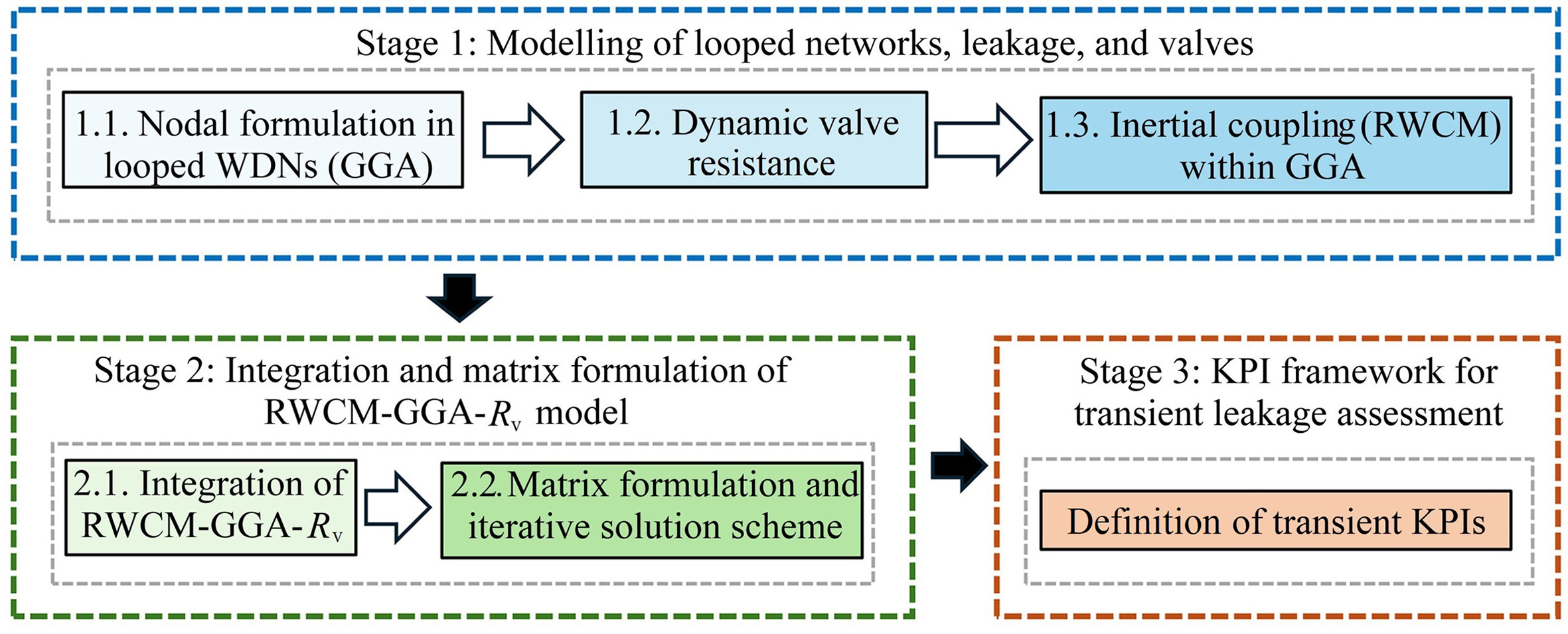
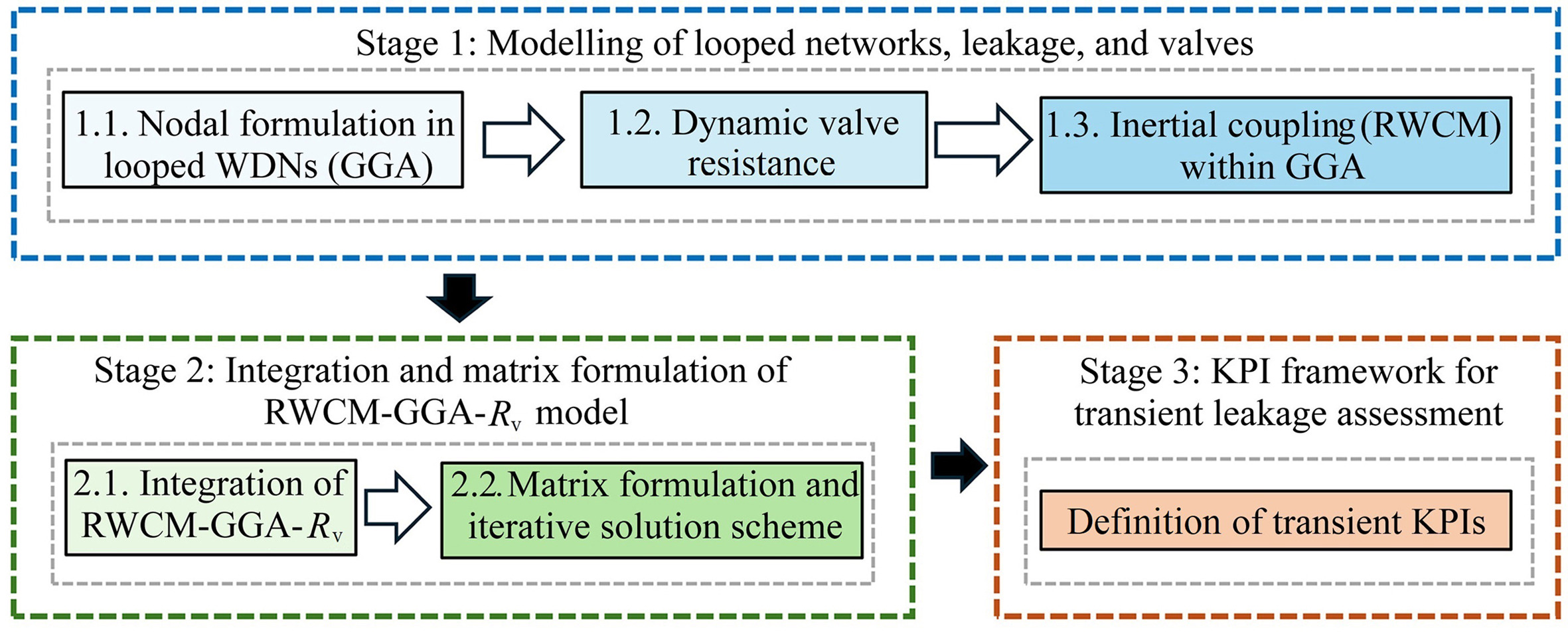
Abstract: Leakage in water distribution networks remains a major contributor to non-revenue water worldwide, posing significant economic and environmental challenges. Accurate modelling of leakage under transient conditions is therefore critical for improving pressure management and understanding dynamic leakage behaviour in real systems. This study developed an extended hydraulic formulation that integrates the rigid water column model with the global gradient algorithm through a time-dependent valve resistance coefficient to analyse actual water losses in looped water distribution networks. The formulation introduces a generalised hydraulic-loss operator that extends the classical steady-state framework to reproduce inertial effects and the dynamic behaviour of valves under slow transients, while maintaining compatibility with conventional hydraulic solvers. This methodological innovation enables realistic simulation of valve manoeuvres without resorting to full water-hammer models, thereby bridging quasi-steady and transient approaches. Validation in a looped network with pressure-reducing valves was performed by comparing the results against the extended period simulation (EPS). The results demonstrated that considering inertia and the time-dependent valve resistance significantly altered leakage evolution, resulting in variations up to 12.5% in accumulated leakage and non-revenue water. The parameter representing the difference in non-revenue water from the proposed model quantifies the additional transient-induced losses, providing a practical indicator for short-term pressure management and leakage control. This framework supports safer and more efficient operation of pressure-managed systems and contributes to sustainable water-engineering practice in alignment with the United Nations Sustainable Development Goal 6. It also paves the way for future integration with data-driven and machine learning approaches.
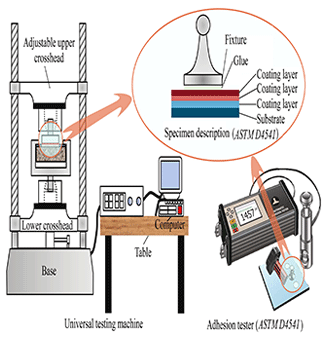
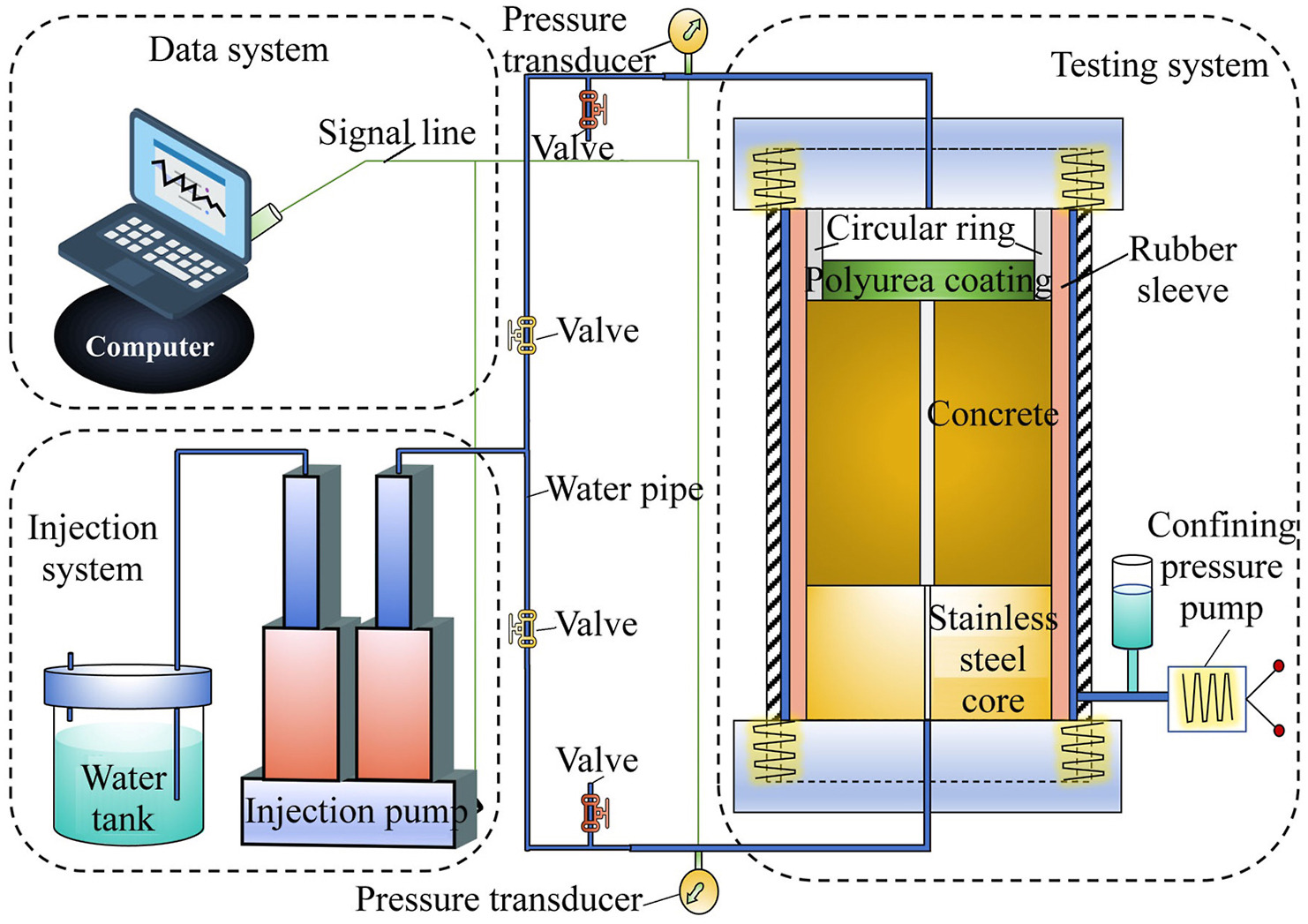
Abstract: Polyurea composites are widely used as anti-seepage materials in hydraulic structures. Although the pull-off adhesion test is commonly employed to evaluate their performance, it may not accurately predict their impermeability under field conditions. To address this limitation, a new testing device was developed to directly assess the impermeability of polyurea composites under both forward and reverse hydraulic pressure, thereby circumventing the effects of adhesive bond strength and material cohesive strength. Concrete surface coating tests using traditional pull-off adhesion and new hydraulic adhesion methods revealed that polyurea composites exhibited excellent anti-seepage performance under forward hydraulic action but weaker debonding resistance under reverse hydraulic action. The bonding area and substrate smoothness significantly affected the resistance of the coating to water pressure. Increasing the bonding area by 7.5% improved bond strength under hydraulic action by 80% and 86% for concrete and sandstone substrates, respectively. The traditional pull-off adhesion test overestimated the anti-seepage performance under reverse pressure, yielding average peel strength values being 106% higher than those obtained from the new water pressure test. Under cyclic water pressure, the resistance of the material improved, and the coating demonstrated self-healing properties. This study provides valuable insights for assessing polyurea performance in water conveyance tunnels and enhancing the durability of anti-seepage coatings.
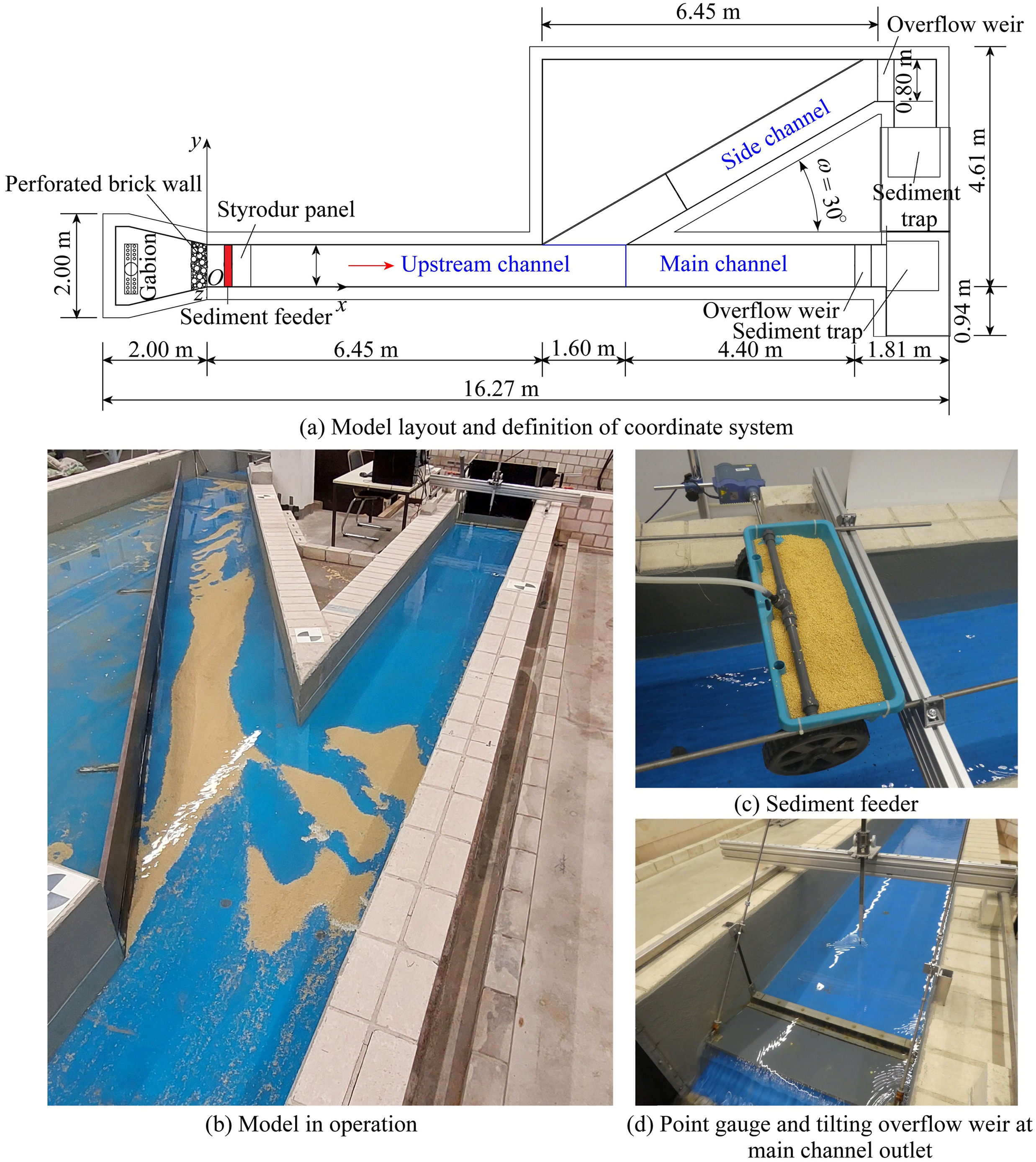
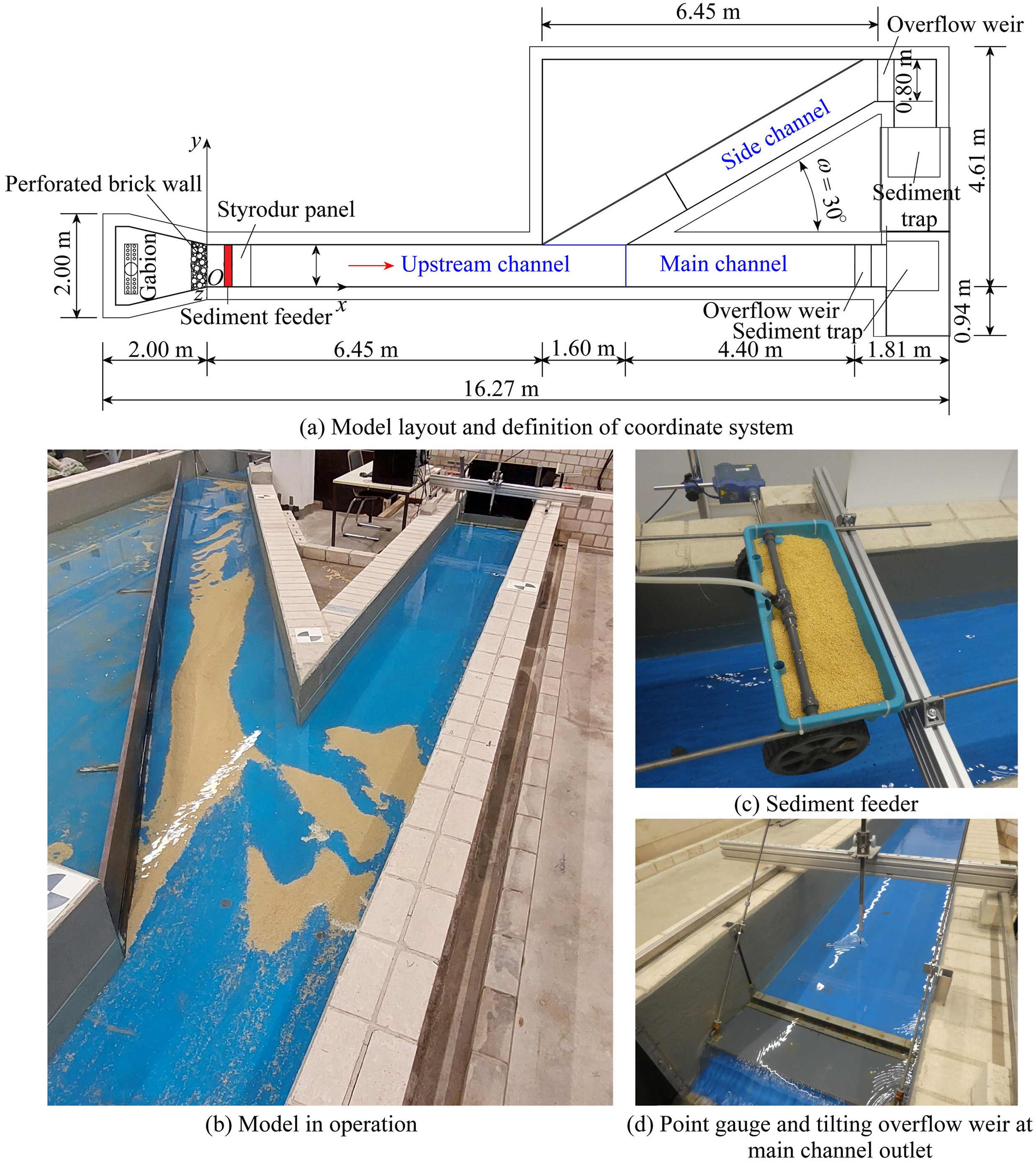
Abstract: The distributions of flow and bedload in channel diversions are relevant for numerous practical applications in hydraulic engineering, including the design of structures for hydropower generation, irrigation, drinking water supply, cooling water discharge, flood diversion into side channels, and fish passage facilities. Due to the Bulle effect, bedload, which follows the secondary flow patterns near the bed, is disproportionately directed into the side channel. In addition to the well-established influence of the flow distribution, the cross-sectional aspect ratio (the ratio of bed width (b) to flow depth (h)) has recently been identified as a key parameter affecting bedload distribution at channel diversions. This study experimentally analysed the effect of the cross-sectional aspect ratio superimposed on the discharge distribution under non-fully mobile bed conditions. Laboratory experiments were conducted in a flume featuring an acute-angled diversion with a rectangular cross-section, under fully turbulent and fully subcritical flow conditions, using sediments with significantly varying specific densities. The results indicated that the bedload distribution in the straight channel increased with a higher b/h value, a relationship incorporated into a new analytical approach. Furthermore, comparisons between different bedload materials (sand and lightweight granulate) revealed similar deposition patterns when the discharge distribution and b/h were held constant. In addition, measures to reduce bedload entry into the side channel were analysed. The findings are particularly significant for the design and operation of water withdrawal from open channels with bedload transport.
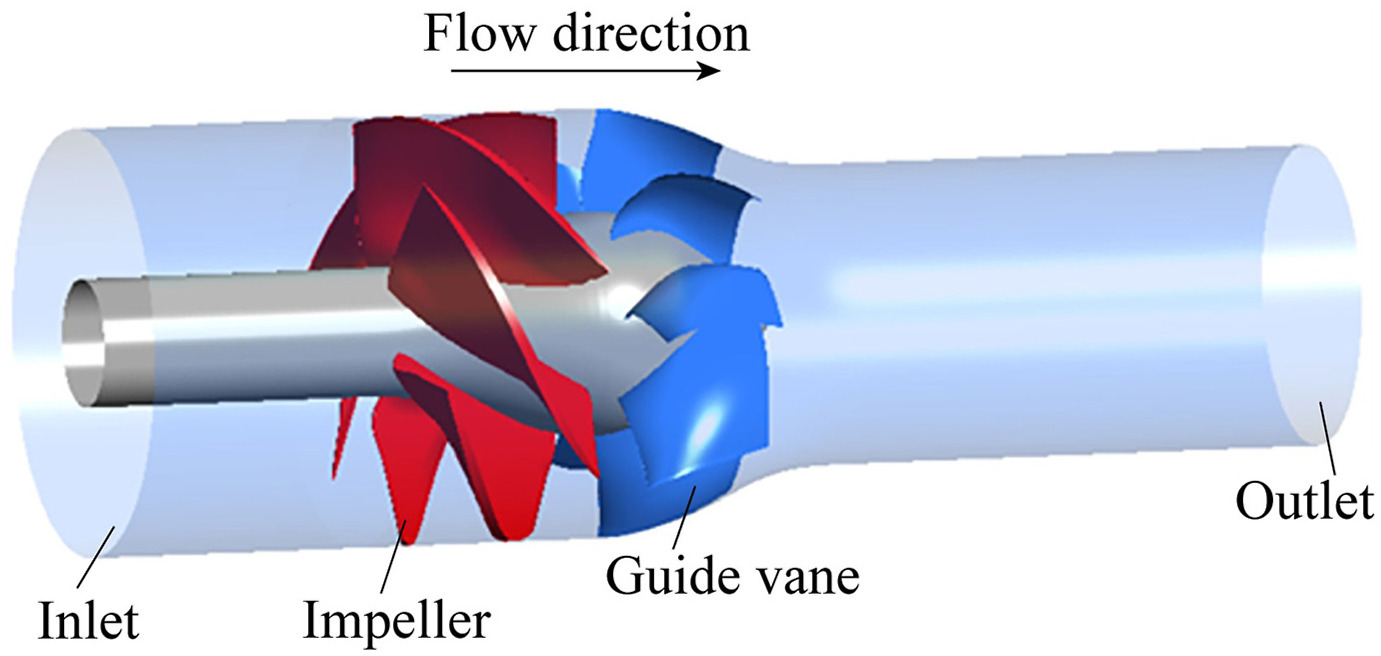
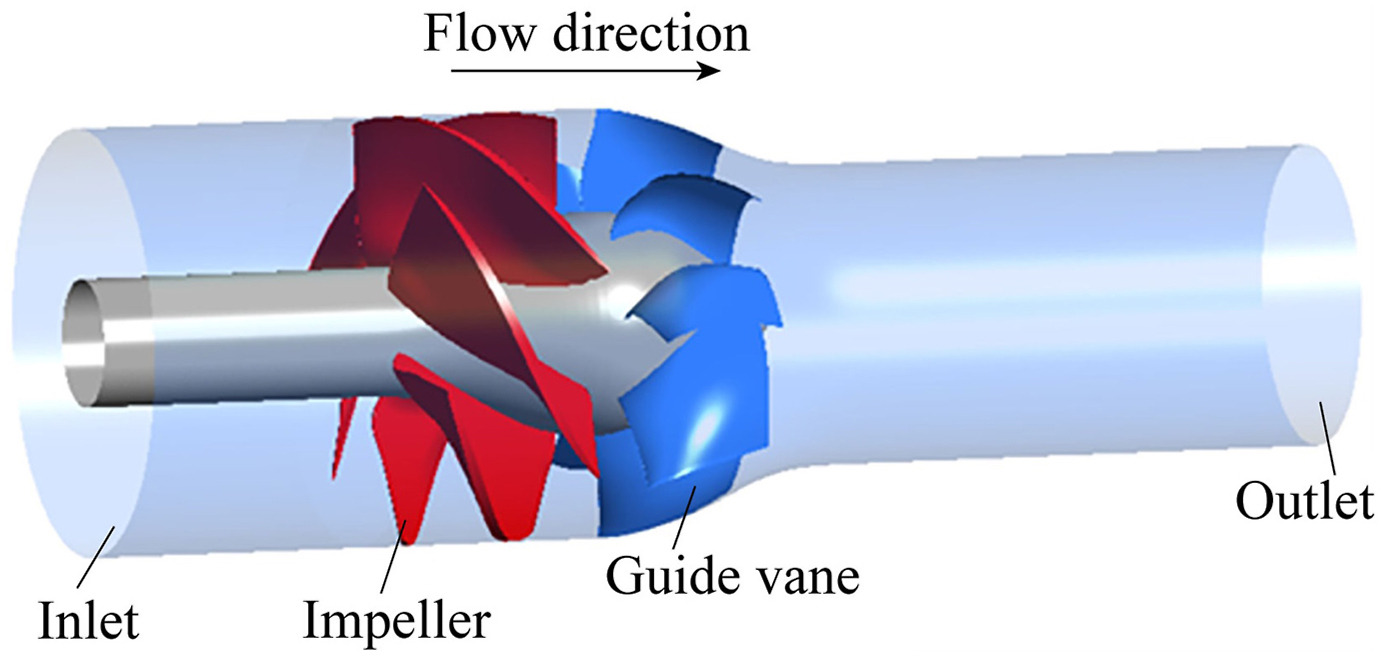
Abstract: Tip leakage vortex (TLV) cavitation poses significant challenges to the efficiency and stability of axial waterjet pumps. This study performed numerical simulations to analyze the evolution of flow and vorticity fields under various cavitation conditions and investigated the impact of cavitation on pump performance. The results indicated that cavitation development exacerbated flow separation on the blade surface, significantly increasing flow instability and complexity in this region. Cavitation exerted a dual effect on vortex evolution. It promoted TLV development at high cavitation coefficient (N*) values, which caused TLV breakdown via vortex interaction at N* = 1.076. Meanwhile, it inhibited TLV formation while affecting the secondary TLV at lower N* values. An examination of the components of the vorticity transport equation indicated that cavitation hindered the stretching of the primary TLV and altered the spatiotemporal distribution of the Coriolis force. Pressure pulsation and force analyses indicated that low N* values induced strong interactions among the impeller outlet cross-section, cavitation-induced TLV, and tail vortices, significantly increasing the amplitude of pressure pulsation.